Why Falsehoods Stick and How To Fight Back
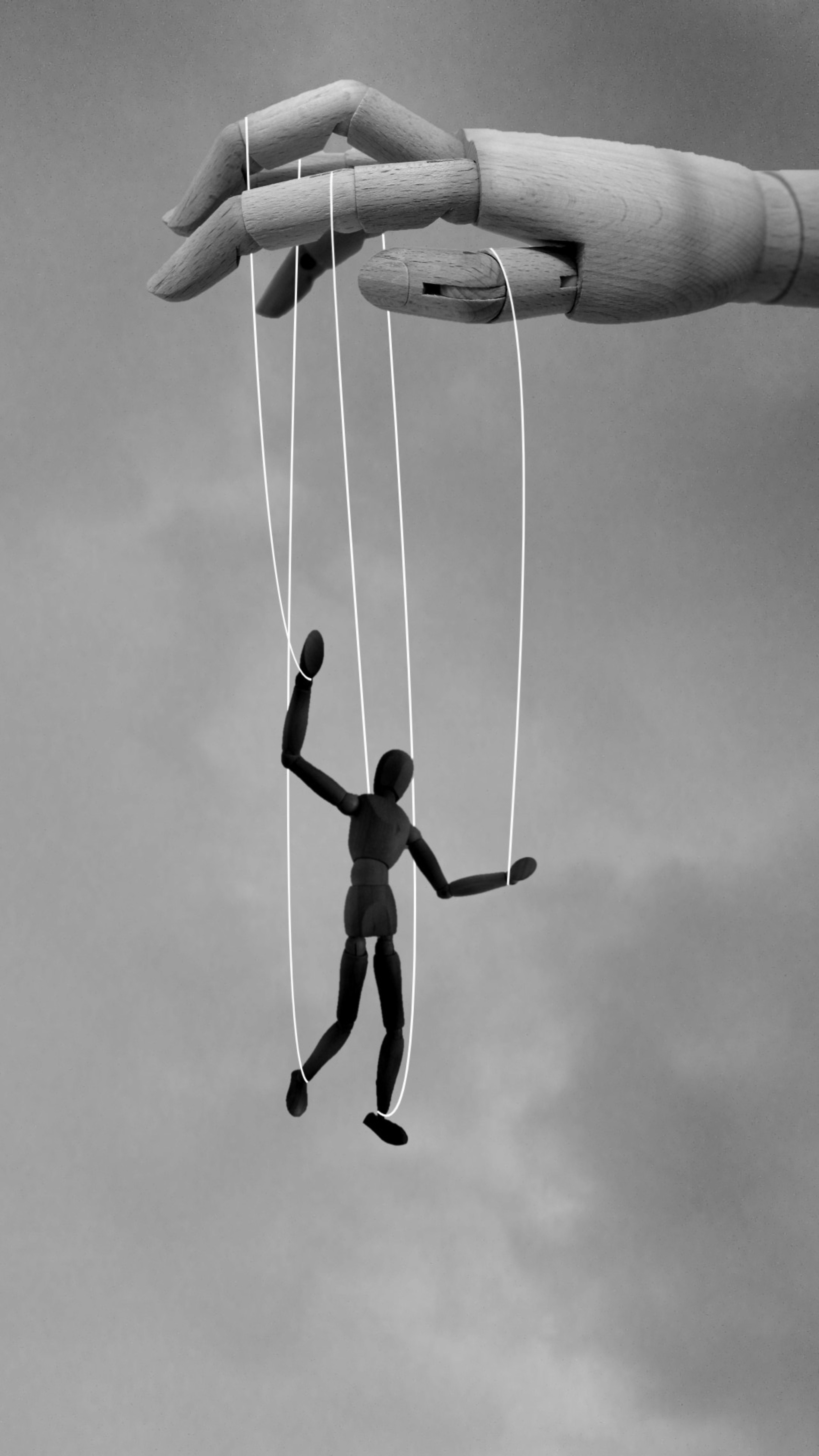
Why do falsehoods feel true? This session explores how our brains process emotion, repetition, and identity – and how those patterns can be hijacked. We’ll examine the psychological roots of belief, the limits of critical reasoning, and why corrections often fail. Drawing from cognitive science and media psychology, this session offers a deeper understanding of how disinformation spreads – and why our mental shortcuts make us vulnerable to it.

Learn how to use early, controlled exposure to misinformation tactics to build resilience.
🧠 Cognitive Psychology
🧠 Memory & Cognitive Bias
🧠 Heuristic Processing
☑️ Explore the psychology of “sticky” falsehoods and disinformation
☑️ Learn why fact-checking alone often fails
☑️ Identify the role of threat in making disinformation persuasive
☑️ Understand how cognitive shortcuts and heuristics shape belief
You need to counter falsehoods in real time
You want a psychological understanding of how disinformation hijacks the mind
Educators
Who want tools to help learners strengthen their cognitive filters
NGOs
Seeking strategies to counter false narratives
Journalists & Fact-Checkers
Who need insight into why facts don’t always land
Youth Workers
Looking to equip students to question misleading content